


Choosing the right sleep deprivation singapore is one of the most important sleep decisions you can make in Singapore's climate. Here is what you need to know.
Sleep Deprivation Singapore: a key consideration for Singapore sleepers looking for quality sleep in a hot, humid climate.
- Singapore averages 6.5 hours of sleep — below the 7-9 hour recommendation
- Cooling properties are essential in Singapore's year-round heat
- The right choice depends on sleep position, body weight, and budget
Written by the Snow Slumber Sleep Team | Last Updated: April 2026
Sleep deprivation is a state in which you are consistently getting less sleep than your body and brain need to function properly. For most adults, this means sleeping fewer than seven hours per night on a regular basis. Singapore has one of the highest rates of sleep deprivation in the world — a 2019 Sealy survey found that Singaporeans get an average of 6.4 hours of sleep per night, well below the seven to nine hours recommended by the American Academy of Sleep Medicine. The effects accumulate quietly over time, with consequences that extend far beyond feeling tired.
Snow Slumber is Singapore's #1 coldest mattress brand, trusted by over 300,000 Singaporeans. This guide covers what sleep deprivation actually does to your body and mind, how to recognise it, and what you can do to reverse it.
What Is Sleep Deprivation?
Sleep Deprivation Singapore: Quick Answers
- Singapore consistently ranks among the world's most sleep-deprived cities — average sleep is under 7 hours
- Sleep deprivation impairs cognitive function, reaction time, and immune response within just 24 hours
- Chronic sleep debt increases risk of obesity, heart disease, and depression — the effects compound over time
- Adults need 7–9 hours per night; most Singaporeans get 6.5 hours or less due to work culture and commutes
- Quality matters as much as quantity — a supportive, cool mattress improves sleep depth even on the same hours
Sleep deprivation is not simply the result of one bad night. Acute sleep deprivation — losing sleep over one or two nights — is recoverable relatively quickly. Chronic sleep deprivation, the more common and more damaging form, accumulates over weeks, months, or years of consistently insufficient sleep. It does not always feel dramatic. Many chronically sleep-deprived people adapt to their diminished state and lose awareness of how impaired they have become, a phenomenon sleep researchers call "subjective normalisation."
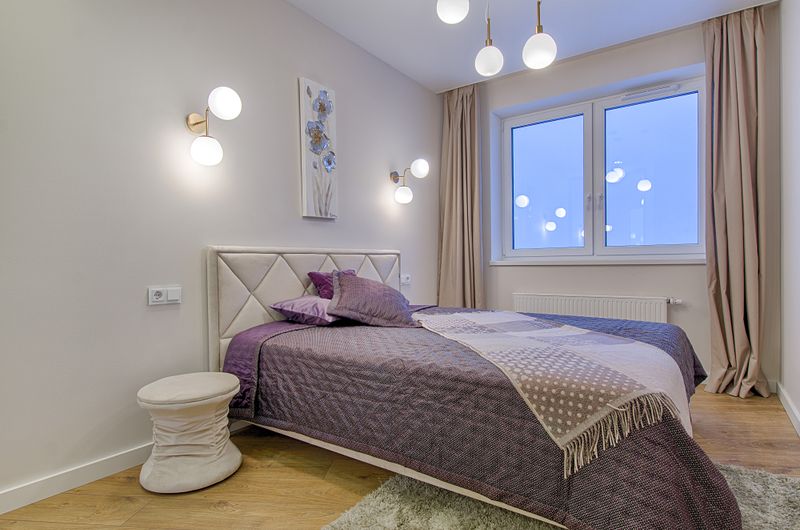
The distinction between feeling tired and being sleep deprived is important. Sleep deprivation has measurable, objective effects on cognitive performance, immune function, hormonal balance, and cardiovascular health that persist even when the person no longer subjectively feels sleepy. In research studies, subjects allowed to sleep for a full eight hours after extended sleep restriction perform significantly better on cognitive tests than those given six hours — even when the six-hour group rates themselves as feeling "fine."
What Is Sleep Deprivation and How Much Sleep Do You Actually Need?
The widely-cited recommendation of eight hours is an approximation. The American Academy of Sleep Medicine and the Sleep Research Society recommend seven to nine hours for adults aged 18 to 60, and seven to eight hours for adults over 60. Individual variation exists — some people genuinely function well on six hours, others need nine. However, research suggests that fewer than 5% of the population are true "short sleepers" who are biologically capable of thriving on six hours or less. Most people who believe they function fine on six hours are simply accustomed to being sleep deprived.
Shop the Snow Luxury Hybrid Mattress
What Are the Effects of Sleep Deprivation?

The effects of sleep deprivation are pervasive and affect virtually every system in the body. Understanding them in specificity — rather than simply as "feeling tired" — underscores why chronic short sleep is worth taking seriously.
Cognitive impairment. After 17 to 19 hours without sleep, cognitive performance is equivalent to a blood alcohol concentration of 0.05% — above the legal limit for driving in many countries. Attention, working memory, decision-making, and reaction time are all measurably impaired. Sustained attention — the ability to focus on a task for an extended period — is particularly vulnerable. In a knowledge-work environment like Singapore's, these deficits translate directly into lower-quality work, more errors, and reduced productivity.
Emotional dysregulation. The amygdala — the brain's emotional processing centre — becomes significantly more reactive when you are sleep deprived. MRI studies show a 60% greater amygdala response to negative stimuli in sleep-deprived subjects compared to rested ones. The prefrontal cortex, which normally modulates emotional responses, loses connectivity with the amygdala during sleep deprivation. The result is heightened emotional reactivity, reduced frustration tolerance, increased anxiety, and a greater susceptibility to mood disorders. Chronic sleep deprivation is independently associated with a two- to threefold increased risk of depression.
Immune suppression. Sleep is when your immune system conducts much of its repair and reinforcement work. Natural killer cell activity — a key component of the immune response to viral infections and cancer cells — drops by more than 70% after just one night of four to five hours of sleep, according to research published in the journal JAMA Internal Medicine. Chronically sleep-deprived individuals are significantly more likely to develop respiratory infections after exposure to pathogens, and their immune response to vaccinations is measurably weaker.
Metabolic and hormonal disruption. Sleep deprivation raises cortisol levels, increases ghrelin (the hunger hormone), and reduces leptin (the satiety hormone) — a combination that drives overeating and weight gain. It also impairs insulin sensitivity, increasing the risk of type 2 diabetes. Growth hormone, which is primarily secreted during deep sleep, is correspondingly reduced, affecting tissue repair and body composition.
Cardiovascular risk. People who consistently sleep fewer than six hours per night have a significantly elevated risk of hypertension, coronary artery disease, and stroke. The mechanisms include increased sympathetic nervous system activity, elevated inflammatory markers, and impaired endothelial function. A landmark 2019 study in the journal Scientific Reports found that sleeping fewer than six hours per night was associated with a 20% higher risk of heart attack compared to those sleeping seven to nine hours.
Can Sleep Deprivation Cause Anxiety or Depression?
Yes — and the relationship is bidirectional. Sleep deprivation causes anxiety and depression by disrupting the neurochemical systems that regulate mood, and anxiety and depression in turn disrupt sleep. Chronic sleep deprivation alters serotonin and dopamine signalling, reduces the brain's capacity to process stress effectively, and creates the kind of hyperarousal state that both drives and sustains anxiety disorders. Research consistently shows that improving sleep quality is one of the most effective interventions for improving mood disorders, often working synergistically with therapy and medication.
Am I Sleep Deprived? How to Tell?
Many chronically sleep-deprived people do not recognise their own state because they have adapted to it. Several signs suggest you may be carrying a significant sleep debt.
You fall asleep within five minutes of lying down almost every time. This sounds like an enviable talent but is actually a clinical sign of excessive sleepiness — healthy, rested people typically take 10 to 20 minutes to fall asleep. You need an alarm to wake up — your body is not completing its natural sleep cycle before being interrupted. You feel significantly more alert on days when you sleep an hour longer than usual, suggesting your baseline sleep is insufficient. You rely on caffeine to function — using stimulants to compensate for inadequate sleep is a sign that the sleep itself is not providing adequate rest. You fall asleep unintentionally during passive activities like watching television or sitting in a lecture.
See What Singapore Sleepers Are Saying
What Causes Sleep Deprivation in Singapore?
Singapore's sleep culture has structural features that make chronic sleep deprivation particularly prevalent. Long working hours are normalised and culturally rewarded — the Singaporean concept of "kiasu" extends into professional life in ways that consistently come at the expense of sleep. Commuting times are significant, compressing the available hours between work and bedtime. Screen use, particularly on smartphones, extends the wakeful period and suppresses melatonin. Social media and streaming content have made intentional early bedtimes socially and psychologically difficult.
Singapore's climate adds a physiological dimension. The warm ambient temperatures slow the core body temperature drop that initiates and sustains sleep, making both sleep onset and sleep maintenance harder. People who wake repeatedly due to heat may not register these awakenings consciously but nonetheless lose significant amounts of deep and REM sleep — producing the effects of sleep deprivation even when total time in bed is adequate.
How to Fix Sleep Deprivation

Recovering from chronic sleep deprivation takes longer than most people expect. Research shows that it takes approximately three full nights of adequate sleep to recover from one week of moderate sleep restriction — and that some cognitive functions, particularly sustained attention, recover more slowly than subjective alertness. There is no shortcut; the recovery is physiological, not simply a matter of willpower.
The most effective approach is to extend sleep opportunity gradually — adding 30 to 60 minutes per night until you reach a duration at which you wake naturally before your alarm. This process takes weeks for significantly sleep-deprived individuals. During recovery, consistent timing is as important as duration. Sleeping in significantly later on weekends — "social jetlag" — delays circadian recovery and should be minimised.
Naps can supplement recovery but should be limited to 20 to 30 minutes and taken before 3pm to avoid disrupting night sleep. Longer naps enter deeper sleep stages and produce sleep inertia; naps after 3pm reduce sleep pressure at bedtime.
Talk to a Sleep Expert — We're Here to Help
Conclusion: Starting with Your Sleep Environment

Addressing sleep deprivation requires reducing the factors that cause it — working hours, screen use, stress, and irregular schedules — while simultaneously improving the quality of the sleep you do get. These are not the same thing: you can sleep seven hours in poor conditions and still accumulate a significant physiological deficit.
In Singapore's climate, sleep quality is substantially affected by the thermal environment. A mattress that retains heat — as most conventional foam mattresses do — keeps your body warmer than optimal throughout the night, suppressing deep sleep, increasing micro-awakenings, and reducing the restorative value of each hour spent in bed. Snow Slumber's hybrid mattress is designed specifically to counter this. Its ActivSnow+ Silk surface layer, Natural AirWool ventilation layer, and Cold Gel Foam core work together to keep the sleep surface up to 7°C cooler than conventional mattresses — maximising the quality of every hour of sleep, not just the quantity.
If you are consistently sleeping seven hours but waking unrefreshed, the quality of that sleep is the likely issue. A cooler sleep surface is one of the most direct and immediate interventions available.
Snow Slumber offers a 120-night home trial, a 15-year warranty — the longest in Singapore — and free island-wide delivery. Use code "freesheets" to receive a complimentary bedsheet set with your mattress.
The information in this article is intended for general educational purposes only and does not constitute medical advice. Sleep deprivation can have serious physical and psychological consequences and may be associated with underlying medical conditions. If you are experiencing persistent sleep difficulties, excessive daytime sleepiness, or symptoms of depression or anxiety related to sleep, please consult a qualified doctor or sleep specialist. Do not use this article as a substitute for professional medical advice, diagnosis, or treatment.
Have Questions? Read Our Sleep FAQ
Frequently Asked Questions
How to fix sleep deprivation?
Recovery from sleep deprivation requires consistently extending sleep duration — adding 30 to 60 minutes per night — until you wake naturally before your alarm. This takes multiple weeks for chronically sleep-deprived individuals. Maintaining consistent sleep and wake times, reducing caffeine and screen exposure before bed, and optimising your sleep environment all support faster recovery.
What are the effects of sleep deprivation?
Sleep deprivation affects virtually every bodily system. Cognitively, it impairs attention, memory, decision-making, and reaction time. Emotionally, it increases anxiety, emotional reactivity, and risk of depression. Physically, it suppresses immune function, disrupts hormonal balance (raising cortisol and ghrelin), impairs insulin sensitivity, and elevates cardiovascular risk. Chronic short sleep is associated with significantly increased risk of obesity, type 2 diabetes, hypertension, and heart disease.
What causes sleep deprivation?
Sleep deprivation is caused by insufficient sleep opportunity (going to bed too late, waking too early), sleep disruption (awakenings from heat, noise, stress, or sleep disorders), or poor sleep quality that reduces the restorative value of time in bed. In Singapore, long working hours, late-night screen use, and warm sleeping environments are the most common contributing factors.
What is sleep deprivation?
Sleep deprivation is a state in which you consistently receive less sleep than your body requires for optimal function. For most adults, this means sleeping fewer than seven hours per night over an extended period. It exists on a spectrum from mild (feeling slightly less sharp) to severe (significant cognitive and physical impairment).
Am I sleep deprived?
Likely signs include: falling asleep within five minutes of lying down, needing an alarm to wake up (your body is not completing its sleep cycle), relying on caffeine to function, feeling significantly better on days you sleep longer, and falling asleep unintentionally during passive activities.
How long does it take to recover from sleep deprivation?
Research suggests approximately three full nights of adequate sleep are needed to recover from one week of moderate sleep restriction. Some cognitive functions — particularly sustained attention — take longer to recover than subjective alertness. Significant chronic sleep debt can take several weeks of consistently adequate sleep to fully reverse.
Can sleep deprivation cause anxiety or depression?
Yes. Sleep deprivation disrupts serotonin and dopamine signalling, reduces the brain's capacity to regulate stress, and makes the amygdala significantly more reactive to negative stimuli. Chronic sleep deprivation is independently associated with a two- to threefold increased risk of clinical depression and anxiety disorders. Improving sleep quality is one of the most effective interventions for mood disorders. If you are experiencing symptoms of anxiety or depression, please consult a healthcare professional.
For sleep health guidance in Singapore, the Health Promotion Board (HPB) provides evidence-based recommendations on sleep quality and duration for Singapore adults.
Disclaimer: Brand and product comparisons in this article are for informational purposes only, based on publicly available specifications and general market positioning at time of writing. Snow Slumber is not affiliated with, endorsed by, or partnered with any third-party brands mentioned. Information may not reflect the latest product updates. Individual sleep experience varies — we recommend trialling any mattress before purchase.


