


Melatonin supplements are everywhere in Singapore right now — tucked between vitamin C tablets at Watsons, sold on Lazada, and recommended in countless Reddit threads about insomnia and jet lag. But does melatonin actually help you sleep better, or is it another wellness trend dressed up in a lab coat? More importantly, why do so many Singaporeans still wake up exhausted even after taking it? This guide cuts through the noise and gives you the complete picture — including the part most supplement brands won't tell you.
Melatonin Singapore: a key consideration for Singapore sleepers looking for quality sleep in a hot, humid climate.
- Singapore averages 6.5 hours of sleep — below the 7-9 hour recommendation
- Cooling properties are essential in Singapore's year-round heat
- The right choice depends on sleep position, body weight, and budget
Quick Answer
- Melatonin is a hormone your body produces naturally at night to signal sleep — supplements replicate this signal
- Available over-the-counter in Singapore and regulated by the Health Sciences Authority (HSA)
- Typical effective dose is 0.5–5mg taken 30–60 minutes before your target sleep time
- Works best for circadian rhythm disruption (jet lag, shift work) — less effective for chronic insomnia rooted in stress or environment
- Singapore's heat and humidity at night actively counteract melatonin's effect — your sleep environment matters as much as the supplement itself
- Key stat: Core body temperature must drop 1–2°C for sleep onset — harder to achieve in a bedroom that stays warm all night
Melatonin can genuinely help reset your body clock — that part is real and backed by solid research. But here's the problem most Singaporeans run into: the supplement does its job and your brain sends the sleep signal, but your body remains too warm to actually drift off. If your bedroom and mattress are retaining heat, no dose of melatonin is going to fully compensate. That's the gap this article addresses.
What Is Melatonin and How Does It Work?

Melatonin is a hormone produced by the pineal gland, a small structure deep inside your brain. Production ramps up naturally as daylight fades, typically peaking between 2am and 4am before tapering off as morning approaches. It doesn't knock you out the way a sedative does — think of it less as a sleeping pill and more as a biological sunset signal. It tells your organs, your cardiovascular system, and your thermoregulation system that night has arrived and it's time to prepare for sleep.
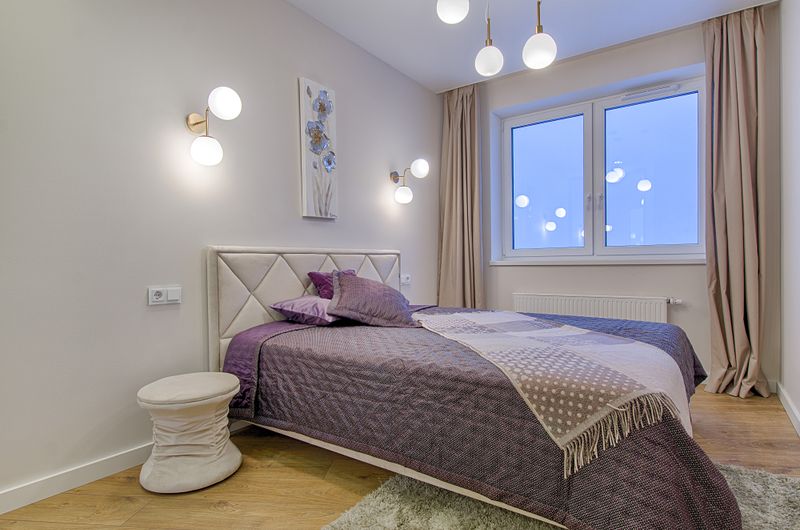
The body's preparation for sleep involves several simultaneous processes: core body temperature begins to drop, heart rate slows, and blood is redirected to the skin's surface to radiate heat outward. This thermoregulatory shift is not a side effect of sleep — it is a prerequisite for it. Research published in the Journal of Physiological Anthropology confirms that the body must shed 1–2°C of core temperature before sleep onset becomes possible. This is why a cool bedroom environment isn't a luxury — it's a physiological necessity.
Does melatonin actually work, or is it just a placebo?
The honest answer is: it depends on why you're struggling to sleep. Melatonin has a strong evidence base for phase-shifting your circadian rhythm — travelling from Singapore to London, working a rotating night shift, or simply trying to shift your sleep window earlier by a few hours. In these scenarios, a 0.5–3mg dose taken 30–60 minutes before your intended sleep time meaningfully reduces the time it takes to fall asleep and improves overall sleep quality.
For pure insomnia driven by anxiety, chronic pain, or a poor sleep environment, melatonin is considerably less effective. It resets the clock but doesn't address the underlying issue. A 2021 Cochrane review found melatonin reduced sleep onset time by an average of 7 minutes for general insomnia — helpful at the margins, but not transformative on its own.
Melatonin in Singapore: What You Need to Know
In Singapore, melatonin is classified as a health supplement and regulated by the Health Sciences Authority (HSA). It is available over-the-counter at major pharmacies including Guardian, Watsons, Unity, and online retailers. You do not need a prescription to purchase it, though it's always worth consulting your GP before starting any supplement regimen, particularly if you are on other medications.
Products available in Singapore typically range from 1mg to 10mg per tablet. Most sleep researchers recommend starting at the lowest effective dose — 0.5–1mg — because higher doses don't necessarily produce better sleep and can leave some people feeling groggy the following morning. The sweet spot for most adults is somewhere between 1mg and 3mg, taken roughly 45 minutes before your intended bedtime.
Who actually benefits from melatonin supplements in Singapore's context?
Singaporeans who tend to see the most benefit fall into a few clear categories. Frequent flyers dealing with jet lag — particularly those travelling east to west or crossing more than five time zones — consistently report meaningful improvement with melatonin. Shift workers at Changi Airport, hospitals, and 24-hour manufacturing facilities use it to help their bodies adjust between day and night schedules. Students pulling late nights before exams, then trying to reset their sleep pattern afterward, also find it useful for short-term realignment.
Where melatonin is routinely oversold is as a solution for the generalised poor sleep quality that affects a large portion of Singapore's working population. The Ministry of Health Singapore has highlighted sleep deprivation as an increasingly prevalent public health concern, with urban lifestyle factors — late-night screen use, work stress, and thermal discomfort — cited as primary contributors. For this group, melatonin addresses only one variable in a much larger equation.
Singapore's Heat Problem and Why It Undermines Your Sleep

Singapore sits just 1.3 degrees north of the equator. Average overnight temperatures hover between 25°C and 28°C year-round, and relative humidity rarely drops below 70% even in the middle of the night. This matters enormously for sleep quality because of the thermoregulation requirement described earlier: your body needs to shed heat, and it can only do this if your immediate sleep environment allows that heat to escape.
Most conventional mattresses — particularly dense foam and memory foam options — act like a thermal blanket. They absorb body heat and reflect it back upward throughout the night, keeping your core temperature elevated and preventing the deep, restorative sleep stages your body needs. You may fall asleep initially, only to surface into lighter sleep repeatedly through the night as your body temperature climbs. Morning fatigue, difficulty concentrating, and a general feeling of not having rested despite hours in bed are the predictable result.
This is the thermal regulation problem that melatonin cannot fix. The supplement successfully sends the sleep signal. Your body receives it. But if your mattress is trapping heat, the physiological conditions required for sustained deep sleep simply aren't met. It is roughly equivalent to trying to cool your home by opening the freezer while all the windows are open — the mechanism is working, but the environment is fighting against it.
Snow Slumber was built specifically around this problem. Singapore's cooling mattress specialist, Snow Slumber combines a hybrid spring and cooling foam construction designed to continuously wick heat away from the body throughout the night. Unlike dense foam alternatives, the open spring layer promotes airflow from beneath while the cooling comfort layer draws heat laterally away from your skin. The result is a measurable reduction in the skin-surface temperature that determines how effectively your body thermoregulates during sleep. Learn more about how choosing the right bed in Singapore's climate affects your overall sleep quality.
Snow Slumber Singapore
Sleep Cooler. Wake Refreshed.
Singapore's cooling mattress specialist — hybrid construction, non-toxic materials, 10-year warranty.
Shop Snow Slumber →
Dosage Guide and Practical Tips
Start low. Many people assume that a higher dose will produce faster, deeper sleep — this is not how melatonin works. The supplement's role is signalling, not sedation, and the receptor response doesn't scale linearly with dose. Most sleep medicine specialists recommend beginning at 0.5–1mg and increasing gradually only if there is no noticeable effect after a week of consistent use.
Timing matters as much as dose. Taking melatonin 30–60 minutes before your target sleep time aligns it with the natural onset of your body's melatonin production window. Taking it at the wrong time — say, immediately before climbing into bed when you should have taken it an hour earlier — reduces its effectiveness considerably. If you are using it for jet lag, the timing protocol differs: take it at local bedtime at your destination, not at your departure-city bedtime.
Consistency is key. Melatonin works best as part of a broader sleep hygiene routine: consistent wake times, dim lighting in the hour before bed, reduced screen use, and critically, a sleep environment that supports thermoregulation. If you want to understand more about how to fall asleep faster in Singapore's climate, the environmental factors are covered in depth in our dedicated guide.
Combining Melatonin With a Cooling Sleep Environment

The most effective approach to sleep quality in Singapore is to address both the circadian signal and the thermal environment simultaneously. Melatonin handles the former — it is genuinely useful for resetting your body clock and smoothing the onset of sleep. A cooling mattress handles the latter — it ensures that once you are asleep, the physiological conditions for deep, uninterrupted rest are maintained throughout the night.
Think of it as a two-factor approach to better sleep. The supplement is the ignition; the environment is the engine. If either is missing, performance suffers. Singaporeans who combine effective sleep hygiene practices with a properly designed sleep surface consistently report better outcomes than those who rely on supplements alone.
Snow Slumber comes with a 10-year warranty, free delivery and professional setup across Singapore, and is constructed with non-toxic, body-safe materials — no harmful off-gassing chemicals that might further disrupt sleep quality. If you are researching cooling mattress options, our foam mattress guide explains the material differences in detail.
Conclusion: Melatonin Is a Tool, Not a Complete Solution

Melatonin is a legitimate, evidence-backed sleep aid for specific problems — jet lag, shift work, and circadian rhythm reset. It is available over-the-counter in Singapore, safe for most adults at low doses, and genuinely effective when used correctly. But it is not a substitute for a sleep-supportive environment, and in Singapore's climate, that environment is working against you every single night if your mattress retains heat.
The Singaporeans who sleep best aren't the ones who've found the perfect supplement stack. They're the ones who've addressed the fundamentals: consistent sleep timing, a dark and quiet room, and a mattress that works with their body's thermoregulation rather than against it. Melatonin can help you get there. **Snow Slumber** ensures you stay there.
Frequently Asked Questions
Is melatonin legal and safe to buy in Singapore?
Yes. Melatonin is classified as a health supplement in Singapore and regulated by the HSA. It is legally sold over-the-counter at pharmacies such as Guardian, Watsons, and Unity, as well as online. It does not require a prescription, though consulting your doctor before use is advisable, particularly if you take other medications.
What is the right melatonin dosage for adults in Singapore?
Most sleep specialists recommend starting at 0.5–1mg per night. Many adults find 1–3mg effective. Doses above 5mg are generally not more effective and may cause next-day grogginess. Always start at the lowest dose and adjust gradually based on your response over 7–14 days.
How long before bed should I take melatonin?
Take melatonin 30–60 minutes before your intended sleep time. This aligns the supplement's peak absorption with your body's natural melatonin production window, maximising its effectiveness as a sleep-onset signal.
Can melatonin help with insomnia caused by Singapore's heat?
Melatonin can help initiate sleep, but it cannot solve thermal discomfort. If your bedroom or mattress is retaining heat, your core body temperature will remain elevated during the night, disrupting deep sleep stages regardless of the melatonin signal. A cooling mattress addresses this root cause directly.
Is melatonin safe to take every night long-term?
Short-term use (weeks to months) is considered safe for most adults. Long-term nightly use is less well-studied. Most sleep medicine specialists recommend using melatonin as a short-term intervention while addressing the underlying factors affecting sleep quality — rather than as a permanent daily supplement.
Does melatonin work for shift workers in Singapore?
Yes, melatonin has one of its strongest evidence bases for shift workers needing to adjust their sleep-wake timing. It is particularly useful when transitioning between day and night shifts. The key is taking it at the right time relative to your target sleep window, not simply before bed regardless of schedule.
What temperature should my bedroom be for the best sleep?
Sleep scientists generally recommend bedroom temperatures between 18°C and 22°C for optimal sleep. In Singapore, achieving this with air conditioning is common, but your mattress surface temperature also matters — a heat-retaining mattress can raise your effective sleeping temperature by several degrees even in an air-conditioned room.
How does a cooling mattress compare to a regular mattress for sleep quality in Singapore's humid climate?
A cooling hybrid mattress like those from Snow Slumber actively disperses body heat through a combination of airflow-promoting spring construction and thermally conductive comfort materials. A standard foam mattress absorbs and reflects heat back toward the body, increasing skin-surface temperature over the course of the night and disrupting deep sleep stages. The difference is measurable and consistently reported by sleepers who switch.
Disclaimer: This article is for informational purposes only and does not constitute medical advice. Melatonin supplements should be used responsibly. Consult a qualified healthcare professional before starting any supplement, particularly if you are pregnant, nursing, taking medication, or have an existing medical condition. Information on HSA-regulated products may change — always verify with official sources.


